Why Flood Damage Cars Are Flooding the Market
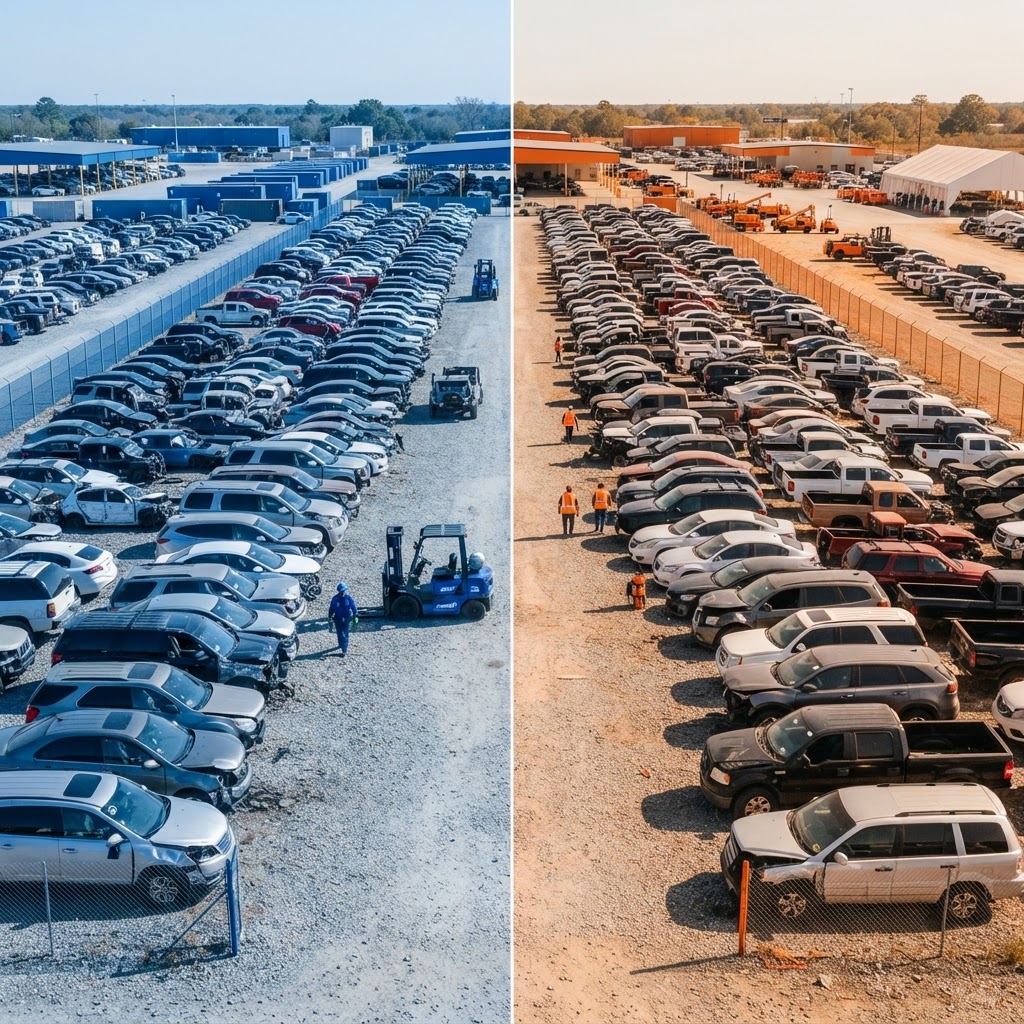
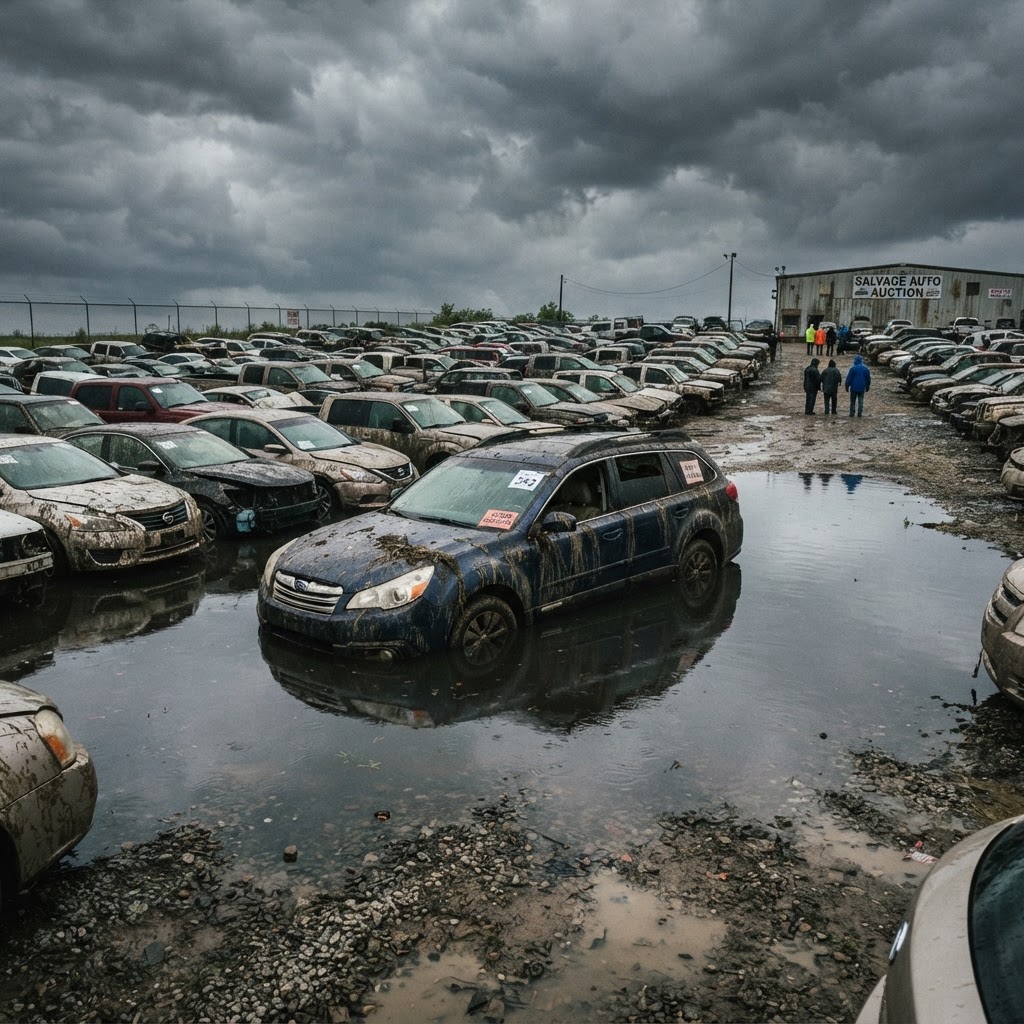
Hurricanes, seasonal storms, and inland flooding push tens of thousands of water-damaged vehicles into salvage auctions every year. In 2026 alone, insurers have declared a record number of cars total losses after storm events — and most of those vehicles end up at Copart and IAAI auctions across the United States.
For international buyers and rebuilders, flood cars can look like a bargain: a late-model SUV with low mileage and a clean-looking body selling for a fraction of retail. But water damage is the most deceptive and expensive type of salvage to repair. Before you place a single bid, you need to understand what flood damage actually does to a vehicle — and how to read the auction listing for warning signs.
What "Flood Damage" Really Means
When an insurer writes "FLOOD" as the primary damage type on a salvage listing, it tells you the vehicle was submerged or heavily exposed to water. But the severity varies enormously. A car that sat in six inches of muddy water for an hour is very different from one that was fully submerged in saltwater for three days.
Here is what water actually does to a modern vehicle:
- Electrical system: Water corrodes wiring harnesses, connectors, fuse boxes, and the dozens of electronic control modules (ECM, TCM, BCM, airbag modules) that modern cars rely on. Corrosion may not appear for weeks or months, causing intermittent failures that are extremely difficult to diagnose.
- Engine and transmission: If water entered the intake or fluids, the engine may hydrolock. Water in the transmission fluid destroys the internal clutches and valve body. Even if the car "starts," internal damage may already be done.
- Interior: Carpeting, seats, headliners, and sound deadening material absorb water and hold it. Mold and mildew develop within 48 hours. The smell never fully leaves, and replacing the full interior is often the only real fix.
- Safety systems: Airbag modules, seatbelt pretensioners, and crash sensors are not designed to survive immersion. A car that looks fine may have compromised safety systems that fail in the next accident.
How to Read a Flood Listing on BiddCars
Every vehicle on BiddCars comes with the full auction record from Copart or IAAI, including damage type, condition, and photos. Here is what to look for when evaluating a flood car:
1. Check the Damage Type
The primary damage field will list "WATER/FLOOD" or "FLOOD." Pay attention to secondary damage — if it lists "BIOLOGICAL" or "MOLD," the car sat long enough for biological growth to develop, which means deeper contamination. If secondary damage is "MECHANICAL," the engine or drivetrain was also affected.
2. Read the Condition Code
Auction condition codes tell you whether the car runs:
- "Run & Drive": The car started and moved under its own power at inspection time. This is promising but does not rule out internal damage.
- "Starts": The engine starts but the car may not be drivable.
- "Does Not Run": The car does not start. For a flood car, this often means water reached the engine or electrical system — a major red flag.
3. Study the Photos Carefully
Flood cars leave visual clues if you know where to look:
- Water lines: Look for a visible tide line on the door panels, seats, or dashboard. The height of the line tells you how deep the water reached — anything above the dashboard means full electrical immersion.
- Foggy lenses: Condensation inside the headlights, taillights, or instrument cluster is a telltale sign of water intrusion.
- Rust on exposed metal: Check seat tracks, seatbelt buckles, and under-dash brackets. Fresh surface rust on parts that should be clean is a strong indicator.
- Muddy residue: Look in the trunk, wheel wells, and engine bay crevices for dried mud or silt.
- Damp or discolored carpet: Even if the interior looks clean, stained or warped carpet means water was present.
4. Check the Title Status
Flood cars typically receive a Flood or Salvage title brand. Some states issue a specific "Flood Damage" brand that follows the car for life. A "Certificate of Destruction" means the car can never be titled or registered in the US — it is only valuable for parts or export to countries that do not require a US title.
Freshwater vs. Saltwater: The Critical Difference
Not all flood damage is equal. The type of water matters enormously for repairability:
- Freshwater flooding (river overflow, heavy rain, burst dams) is the less severe case. Freshwater causes corrosion but at a slower rate. If the car was dried quickly, the electrical system may be salvageable. Many freshwater flood cars are rebuilt successfully.
- Saltwater flooding (storm surge, coastal hurricanes) is far more destructive. Saltwater corrodes metal and electronics almost immediately and continues to cause damage even after the car dries. Saltwater flood cars are generally considered parts-only — the cost of reliably repairing the electrical system usually exceeds the vehicle's value.
Unfortunately, auction listings rarely specify whether the flooding was fresh or saltwater. If the car was auctioned in a coastal location (Florida, Texas Gulf Coast, the Carolinas) after a named storm, assume saltwater unless evidence suggests otherwise.
Estimating Repair Costs for a Flood Car
Before bidding, build a realistic repair budget. A typical flood car rebuild includes:
- Full interior replacement: Carpet, seats, headliner, door panels — $2,000–$6,000 depending on the vehicle
- Wiring harness and module replacement: $1,500–$5,000; modern luxury vehicles with dozens of modules can exceed $10,000
- Engine and transmission service: Fluid changes $300–$800; full replacement $3,000–$8,000
- Brake and suspension refresh: $500–$2,000
- Detailing and mold remediation: $300–$1,000
For a mid-size sedan, expect $6,000–$12,000 in repairs on top of the purchase price. For a luxury SUV, the total can easily reach $15,000–$25,000. Compare this against the vehicle's estimated retail value — if repair costs approach 70% of retail value, the deal is rarely worth it.
Who Should Buy a Flood Car?
Flood salvage cars make sense for two types of buyers:
Parts buyers and dismantlers: If you only need body panels, interior trim, wheels, or mechanical components that were above the water line, a flood car can be an excellent parts source. The purchase price is low, and you do not need to worry about electrical reliability.
Exporters to markets with flexible titling: Some countries do not recognize US title brands or have simpler registration processes. A flood car that cannot be legally rebuilt in the US may still be exportable and registered abroad. Always check the destination country's import and registration rules before bidding.
Flood cars are generally not recommended for buyers who want a reliable daily driver. Even after a thorough rebuild, intermittent electrical problems can surface for years, and the vehicle's resale value is permanently affected by the flood brand on its title.
How to Use BiddCars to Find and Evaluate Flood Vehicles
BiddCars archives full auction records from Copart and IAAI, including vehicles specifically flagged with flood and water damage. Here is the fastest workflow:
- Search by VIN or lot number if you already have a specific vehicle in mind. The free VIN lookup shows manufacturer specs, recall data, and any auction records we hold for that VIN.
- Browse by damage type using the damage landing pages to see all flood-damaged vehicles in our archive.
- Review the full photo gallery for every vehicle — look for the water lines, foggy lenses, and rust indicators described above.
- Check the sale price history to see what comparable flood vehicles have actually sold for, not just the current listing price.
- Purchase a full VIN report for a deeper dive before committing to a bid, including NMVTIS title brand history and safety recall data.
The Bottom Line
Flood salvage cars are the cheapest entry point into the salvage market — and the riskiest. The low auction prices reflect real repair uncertainty. If you understand what water damage does to a vehicle, read the photos carefully, and budget realistically for electrical and interior work, a flood car can be a profitable project or a strong parts source. If you are hoping for a cheap, reliable car to drive with minimal work, look at hail damage or rear-end collision vehicles instead — they are far more predictable to rebuild.
Start your search on BiddCars and use the free VIN report tool to check any vehicle's full auction history before you bid.
Looking for a specific salvage vehicle? Search our auction database by VIN, make, or model.
Search Auction Vehicles